Native American Tumbler Wrap Design Review
I have tested and reviewed hundreds of embroidery files over the years, and I approach every new design with the same practical question: will this actually work in a real project, or does it only look good on a screen? When I first opened the Pattern of Native American Tumbler Wrap, I was immediately drawn to its balanced composition and cultural resonance. This is a digital graphic intended for sublimation, but as an embroidery designer, I evaluate it for what it can inspire in stitch form and how its visual language translates to handmade products. Let me walk you through my honest assessment from a designer’s workbench.
First Impressions of the Pattern
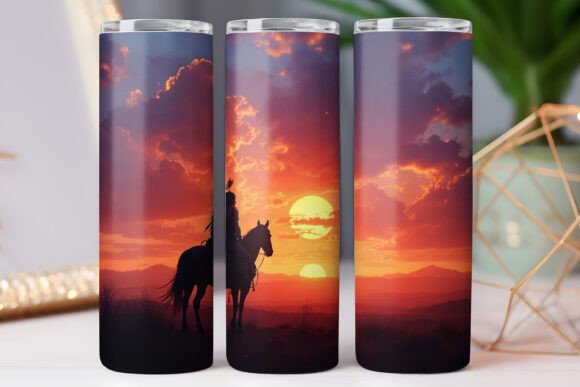
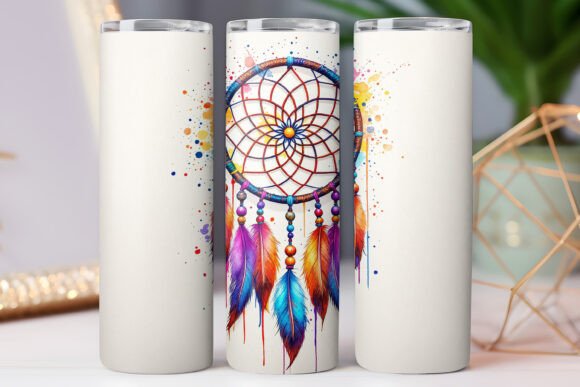
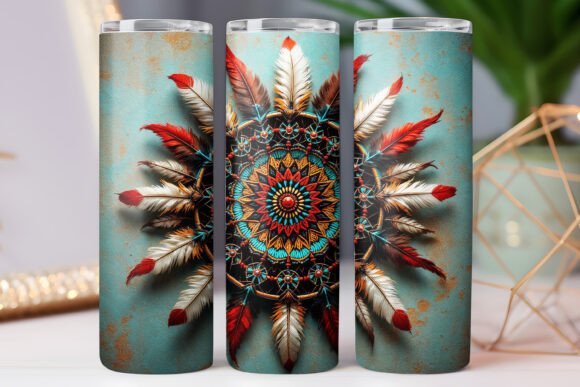
The Pattern of Native American Tumbler Wrap presents a wrap-around motif with repeating geometric elements that feel both traditional and modern. The layout is clearly designed for a 20 oz skinny tumbler, meaning the pattern has a natural horizontal flow with a defined center and tapered edges. As a designer, I appreciate how the shapes create a rhythmic visual movement without feeling chaotic. The pattern carries a grounded, earthy mood that would appeal to customers looking for personalized gifts with cultural depth or southwestern aesthetic. For an embroidery project, this pattern suggests possibilities in satin stitch borders, fill stitch interior shapes, and running stitch accents to capture the linework feel.
Real Project Scenarios for This Design
Let me describe a real case. A client approached me for a custom embroidered tote bag using a southwestern theme for a boutique gift line. I immediately thought of adapting the visual language of the Pattern of Native American Tumbler Wrap into an embroidered patch or a front pocket design. The pattern’s repeating geometry works beautifully on tote bag designs, sweatshirt embroidery, and even baby embroidery if the motifs are scaled down carefully. For custom apparel like a denim jacket or a canvas apron, the pattern’s horizontal layout can be repositioned as a chest band or lower hem accent. I have also seen similar designs translate well into pillow covers and kitchen towels for holiday embroidery or craft business inventory.
If you are an Etsy seller or small shop product creator, this pattern gives you a versatile graphic that can be printed as a tumbler wrap or used as a visual reference for custom applique design work. The key is understanding that the digital embroidery file you create from this inspiration needs to respect the original geometry while adapting stitch types to fabric behavior.
Where the Design Performs Best in Embroidery
- Structured fabrics: Denim, canvas, twill, and felt hold the geometric shapes cleanly without distortion.
- Medium to large hoop sizes: The pattern’s repeating elements need space to breathe; a 5x7 hoop or larger is ideal.
- Stabilized knits: For custom apparel like sweatshirts, use a tear-away or cut-away stabilizer to keep the stitch density from puckering.
- Layered projects: Consider using the pattern as a patch design on caps, aprons, or embroidered patches for bags.
- Monochromatic or limited thread colors: The pattern reads strongly in two or three colors, which keeps production efficient for commercial embroidery runs.
Thoughtful Placement for Different Products
When I test a design, I always think about where it lives on the finished item. For the Pattern of Native American Tumbler Wrap, the horizontal orientation works naturally on tote bag designs as a band across the front, or as a sweatshirt embroidery motif centered on the chest. On baby embroidery items like bibs or onesies, I would scale the pattern smaller and use lighter stitch density to avoid stiffness. For caps and hats, the curved surface requires adjusting the layout so the pattern follows the crown without distortion. I have also used similar geometric wraps as apron straps or as pillow cover borders with excellent results.
If you are producing handmade products for a craft fair, the pattern’s visual personality gives your booth a cohesive, professional look. Customers often associate geometric patterns with quality personalized gifts, so this design can elevate your finished product perception instantly.
Areas That Require Careful Attention
No design is perfect for every situation, and the Pattern of Native American Tumbler Wrap has a few considerations I want to highlight from practical use.
- Small hoop sizes: The pattern loses impact if crammed into a 4x4 hoop. The repeating shapes need enough repeats to create the rhythmic effect, so plan your hoop size accordingly.
- Thin or stretchy fabric: Lightweight knits or silky fabrics will struggle with dense fill stitch areas unless backed with a strong stabilizer. Test on scrap first.
- Dark fabric: If you stitch this pattern on black or navy, choose thread colors with high contrast—metallic gold, bright turquoise, or white—to maintain visibility.
- Tiny details: The original graphic may have fine lines that need to be converted to running stitch or satin stitch in your embroidery file. Inspect the digitized design for any details that might become muddled at small scale.
- Products needing frequent washing: For kitchen towels, baby items, or custom apparel that sees regular laundering, use a dense satin stitch for edges and a quality stabilizer to prevent fraying.
Practical Designer Notes Before Stitching
Before you commit thread to fabric, here is my standard checklist for any project inspired by the Pattern of Native American Tumbler Wrap. First, test the design on scrap fabric that matches your final material. Check thread color contrast against both light and dark backgrounds. Review the stitch density—if the fill areas are too dense, reduce the density in your digitizing software or choose a looser fill stitch. Confirm your hoop size accommodates the full pattern without clipping the edges. I always run a black and white printable mockup to see how the shapes read without color distraction. Finally, verify that your digital embroidery file is properly converted from the original PNG or JPG, as the Pattern of Native American Tumbler Wrap is provided as a sublimation design and not as an embroidery file. This means you will need to digitize the pattern yourself or commission a digitizer to create the embroidery file with appropriate stitch types.
Visual Appeal and Customer Trust
In my experience, designs that carry cultural and geometric motifs tend to attract customers who value authenticity and craftsmanship. The Pattern of Native American Tumbler Wrap has a visual personality that signals care and intention. When stitched cleanly on a handmade product, it immediately raises the perceived value of your item. For Etsy sellers and small business owners, this translates to stronger buyer engagement and positive reviews. I have noticed that tumbler wraps and graphics with this aesthetic often lead to higher conversion rates in online shops because they photograph well in printable mockup settings.
From a brand consistency perspective, using the pattern across multiple products—tote bags, sweatshirts, tumblers, and pillows—creates a cohesive collection that feels intentional. Customers recognize the visual language and trust that your craft business delivers reliable quality. Whether you are producing holiday gifts, wedding gifts, or personalized products, the design holds its own in giftability and recognition.
Licensing and Commercial Use Reminder
Because the Pattern of Native American Tumbler Wrap is a digital design for sublimation, you must confirm the licensing terms before using it for commercial embroidery projects or selling finished products. Some digital graphics come with restrictions on resale or production volume. Always check the seller’s policy on commercial use and whether the design can be used in design assets you sell. If you are an apparel decorator or digital product seller, this step protects your business and ensures you respect the original creator’s rights.
Final Thoughts for Creative Entrepreneurs
The Pattern of Native American Tumbler Wrap is a strong visual asset that can power a range of embroidery projects, from custom apparel to handmade gifts. Its geometric balance, earthy character, and wrap-around layout make it adaptable for tote bag designs, sweatshirt embroidery, baby embroidery, pillow covers, and aprons. As with any machine embroidery design, the final result depends on your fabric choice, stabilizer, stitch density, and thread colors. Test thoroughly, scale thoughtfully, and let the pattern’s natural rhythm guide your placement.
For small shop products and craft business merchandise, this design offers the kind of visual depth that customers notice and remember. Treat it as a versatile graphic that can inspire multiple embroidery file adaptations, and you will get strong results across your product line. Whether you are stitching for a client, a market, or your own creative satisfaction, the Pattern of Native American Tumbler Wrap delivers the aesthetic weight that professional handmade work demands.